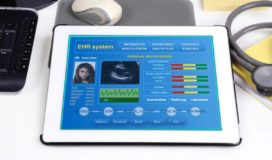
An Overview of Electronic Medical Records
Electronic medical records or EMR simply means the scanned digital version of the paper medical record of an individual. The electronic medical record represents a medical record of a patient within a single facility such as a doctor’s clinic or an office. EMR is the digital records that doctors or the organizations maintain for their patients to keep a track of their treatment and current health condition.
What Are Electronic Medical Records?
Electronic Medical Records (EMRs) are digital versions of traditional paper-based medical records used in healthcare settings. They contain essential patient information, including medical history, diagnoses, medications, treatment plans, immunization records, allergies, radiology images, and lab results. EMRs streamline healthcare processes by providing quick and secure access to patient data, reducing errors, and improving efficiency.
Key Features of Electronic Medical Records
- Patient Information Management – EMRs store complete patient histories, ensuring accurate and up-to-date records for better treatment decisions.
- Automated Documentation – EMRs reduce paperwork and manual record-keeping, saving time for healthcare providers.
- Medication Tracking – Physicians can track prescribed medications, reducing the risk of adverse drug interactions.
- Lab and Imaging Results – Test results are directly integrated into the system, allowing quick access for doctors.
- Security and Privacy – EMRs use encryption and access controls to protect patient information from unauthorized access.
Information That Electronic Medical Record Generally Holds
- Personal Information: EMR stores detailed information of the patient such as height, weight, and blood group etc.
- Patient’s Medical History: The physicians are always keen to know about the previous medical history of their patient on behalf of what they can provide more effective treatment further. EMR contains the information about the previous ailments, medications, and allergies of the patient which helps the doctors to study their patients more effectively.
- List of Diagnoses: The information about the current treatment and medication of the patient is also stored in the EMRs. This helps the physicians to make necessary decisions after going through the current health conditions.
All the above-mentioned information of the person integrates with the physician’s practice management software system that handles scheduling and billing.
Access to EMR
- Server Based EMR: This is typically located at the practice premises on a specialized computer called “Server”.
- Web-based EMR: This is generally located at the offsite on the EMR Company’s server which the medical practitioner accesses with the help of an internet connection. It is also known as software or application service provider.
Types of Electronic Medical Records
Electronic Medical Records (EMRs) can be categorized based on their structure, functionality, and deployment model. Below are the main types:
- Stand-Alone EMRs – These systems operate within a single healthcare practice, such as a private clinic or small medical facility. They are not designed for data sharing outside the organization.
- Cloud-Based EMRs – These EMRs are hosted on secure cloud servers, allowing healthcare providers to access patient records from different locations. They offer better scalability and lower maintenance costs compared to on-premise systems.
- Specialty-Specific EMRs – These are customized EMRs designed for specific medical fields such as dermatology, cardiology, or psychiatry. They include specialized templates and workflows suited for those specialties.
- On-Premise EMRs – These systems are installed on local servers within a healthcare facility. They offer greater control over data but require more maintenance and higher upfront costs.
- Integrated EMRs – These EMRs are part of a larger hospital management system, connecting different departments such as billing, scheduling, and laboratory services. They improve coordination between various healthcare units.
Each type of EMR serves different healthcare needs, and choosing the right one depends on the size of the organization, budget, and interoperability requirements.
Benefits of Electronic Medical Records
- More legible and accurate data: As the data in the EMR is stored on the system so it provides more legible and clearer patient’s health chart.
- Easy to access information easily: All the information stored on the system can be accessed from anywhere.
- Enhance documentation: The EMR system enhances the documentation by giving access to digital imaging and special testing.
- Better integration between the clinic and billing departments: There are lesser chances of mistakes and frauds in the billing after the adoption of this system.
- Improves efficiency and communication: EMR is very helpful for the physicians in making important decisions for the treatment of the patient as all the information can be shared in real time, thereby improving the communication process as well.
- Enhanced patient’s safety: EMR not only stores the current condition but also the important medical history of the patient. This further helps in providing better and more secured treatment to the patient.
- Improved tracking of the lab information: All the lab tests and their results are available on the system allowing physicians as well as the patients to go through the medical or lab reports more quickly.
- Tracking of Trends: EMR keeps the physician aware of the current conditions and trends of the health of the patient by providing details about the blood pressure, sugar level or intraocular pressures.
- Cost Effective: EMR is managed by the system which reduces the time and the labor involved in the management of these records.
Limitations of Electronic Medical Records
While EMRs offer many advantages, they also have some challenges:
- Limited Interoperability: EMRs are typically confined to a single healthcare organization and may not be easily shared with other institutions.
- Implementation Costs: Setting up and maintaining an EMR system requires significant investment.
- Data Security Concerns: Cybersecurity threats and data breaches remain risks despite encryption and security protocols.
- Learning Curve: Healthcare professionals may require training to effectively use EMR systems.
Future of Electronic Medical Records
The future of EMRs is focused on improving interoperability, security, and user experience. Advances in cloud computing and artificial intelligence are expected to enhance data-sharing capabilities and predictive analytics for better patient outcomes. Governments and healthcare organizations are also working on standardization to ensure seamless integration across different healthcare providers.
How EMRs Differ from Electronic Health Records (EHRs)
While EMRs are digital records used within a single healthcare facility, Electronic Health Records (EHRs) provide a more comprehensive solution. EHRs allow patient data to be shared across multiple healthcare providers, ensuring continuity of care. This distinction makes EHRs more suitable for large-scale healthcare systems where patient information needs to be accessed across different institutions.
Conclusion
Electronic Medical Records have revolutionized healthcare by providing efficient, accurate, and accessible patient information. Although there are challenges in implementation and interoperability, the benefits of EMRs in improving patient care and streamlining medical processes make them a crucial component of modern healthcare systems.
Sources:
- https://www.ncbi.nlm.nih.gov/pmc/articles/PMC4607324/
- https://www.usfhealthonline.com/resources/health-informatics/what-are-electronic-medical-records-emr/